21K vs 24K Gold: Purity, Price, and Which One to Buy

21K gold is 87.5 percent pure. 24K gold is 99.9 percent pure. That gap explains almost every other difference between them. 24K gives you the most gold per gram, but it is very soft. 21K gives up a little purity in exchange for a metal that holds its shape when you actually wear it. Buy 21K for jewelry you wear often. Buy 24K for gold you plan to hold.
Table of Contents
ToggleThis guide puts purity, color, durability, and price side by side, with a worked price example, so you can decide before you shop.
21K vs 24K Gold at a Glance
| 21K gold | 24K gold | |
|---|---|---|
| Pure gold content | 87.5% (stamped 875) | 99.9% (stamped 999) |
| Other metals | About 12.5%, usually copper, silver, or zinc | None |
| Color | Rich yellow | Deepest yellow, slightly orange |
| Strength | Firm enough for daily wear | Very soft, dents and scratches easily |
| Best for | Bangles, chains, earrings, everyday pieces | Bars, coins, occasional and heirloom pieces |
| Price per gram | Lower | Higher |
What Does 21K Gold Mean?
Karat measures purity out of 24 parts. 21K gold is 21 parts gold and 3 parts other metals, which works out to 87.5 percent pure gold (21 ÷ 24 = 0.875). You will usually see it stamped 21K, 21KT, or 875.
The other 12.5 percent is not filler. Pure gold is so soft it can bend in your hands, so jewelers blend in a little copper, silver, or zinc to give a piece strength. The mix also nudges the color. More copper warms the tone, more silver cools it.
Is 21K gold real? Yes. It is genuine, high-purity gold. It just is not 100 percent pure, and only 24K earns that label.
Does 21K Gold Exist?
It does, and millions of people wear it. 21K is a standard purity that is simply more common in some regions than others. Jewelers across the Gulf, South Asia, and North Africa favor 21K and 22K for weddings and gifts. Most US shoppers see 10K, 14K, and 18K at the counter, which is why a lot of people here have never spotted a 21K stamp and wonder if it is real.
You may also see it written as 21 carat, the spelling used in the UK and much of the world. It is the same metal at the same 87.5 percent. In Arabic-speaking markets it is called عيار 21, and in Hindi it is 21 कैरेट.
In the US, how karat marks and the word “gold” can be used is covered by the FTC’s Jewelry Guides (16 CFR Part 23), so a legitimate seller is expected to mark pieces honestly.
How to Calculate Gold Purity
Divide the karat number by 24. That is the whole formula.
| Karat | Pure gold | Common stamp |
|---|---|---|
| 24K | 99.9% | 999 |
| 22K | 91.7% | 916 |
| 21K | 87.5% | 875 |
| 18K | 75% | 750 |
| 14K | 58.3% | 585 |
| 10K | 41.7% | 417 |
Higher karat means more gold, a richer yellow, and a softer metal.
Color: 21K vs 24K Gold
24K has the deepest yellow, with a warm, slightly orange glow. 21K is very close, only a touch lighter, because the added metals soften the tone. Side by side under a jewelry counter light, you can see it. Across a room, most people cannot.
The bigger color jump happens lower down the scale. 18K looks noticeably paler than 21K, and 10K or 9K looks paler still. If you love that bold, buttery yellow, 21K gives you nearly all of it in a piece that is practical to wear.
Both suit traditional styles, including bridal sets and gifts for weddings and religious occasions where the color itself carries meaning.
Which Is More Durable?
21K holds up better than 24K. A 24K piece can dent from a bump against a countertop, and prongs that hold a stone wear down fast. The 12.5 percent alloy in 21K gives it enough backbone to resist bending and scratching, though it is still softer than 18K or 14K.
Is 21K gold good for everyday use? Yes, for bangles, chains, earrings, and bands worn with some care. If you work with your hands, lift weights, or tend to forget your rings, 14K or 18K will take the abuse better than either 21K or 24K. If a piece comes out for weddings, holidays, and dinners, 24K is fine.
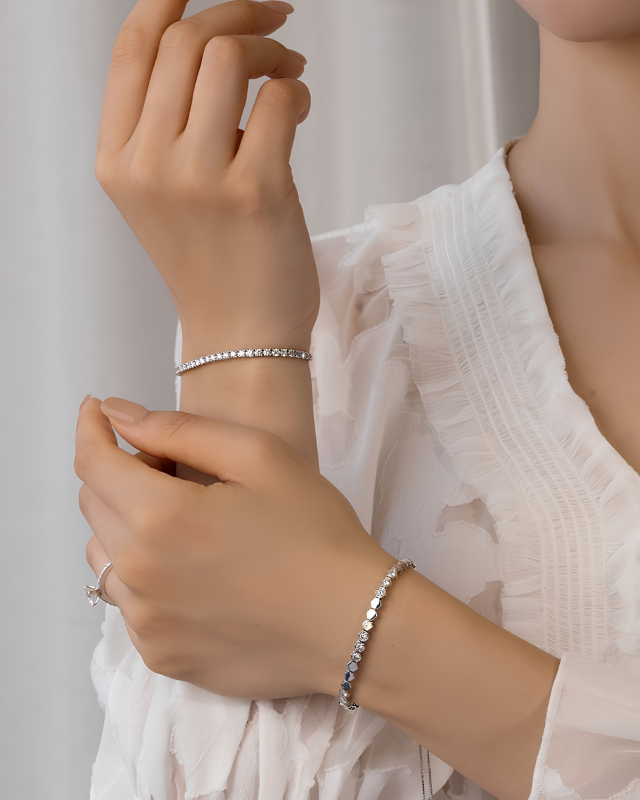
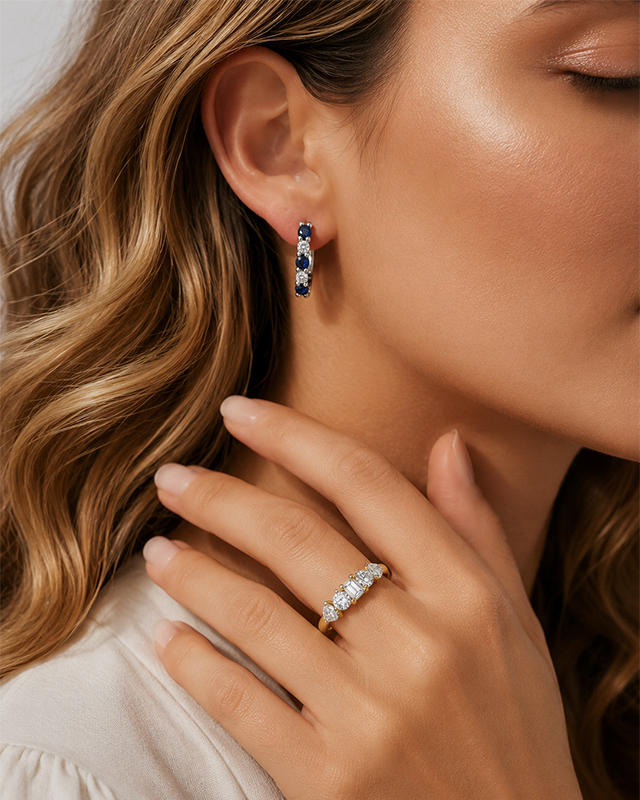
Comparing styles in person helps. Browse our rings, earrings, and bracelets and bangles, then ask which karat each piece is made in.
Does 21K Gold Tarnish?
Not the way silver does. Gold does not rust or tarnish, and 24K, with no alloy at all, resists corrosion best.
21K can dull or darken slightly over many years because of the copper or silver in the mix, especially with regular exposure to sweat, chlorine, or harsh cleaners. A soft cloth and mild soap usually brings the shine back. 24K will not discolor, but it picks up scratches and a worn look much faster because it is so soft.
21K vs 24K Gold Price Per Gram
24K costs more per gram because it holds more gold. To estimate the metal value of any piece, take the day’s gold price per gram and multiply it by the purity.
Gold value = spot price per gram × purity
Here is an example at $130 per gram. Gold traded around $133 per gram in early October 2026, so check today’s spot price before you compare quotes.
| Karat | Purity | Gold value per gram |
|---|---|---|
| 24K | 1.000 | $130.00 |
| 22K | 0.917 | $119.17 |
| 21K | 0.875 | $113.75 |
| 18K | 0.750 | $97.50 |
| 14K | 0.583 | $75.83 |
That is the metal only. The final price also includes labor, design, stone setting, and the seller’s markup. A 21K bangle with heavy handwork can cost more than a plain 24K piece of the same weight. When you compare two quotes, ask for the total weight and the price per gram, then you can see how much of the price is gold and how much is making charges.
Is 21K Gold a Good Investment?
For pure investing, 24K wins. Bars and coins trade close to the spot price, and dealers pay by weight and purity with very little overhead.
21K jewelry still holds real value, because 87.5 percent of its weight is gold. The catch is that when you sell, a buyer prices the gold content, not the labor you paid for. Expect melt value minus a dealer’s cut. Antique or signed pieces are the exception.
A simple way to think about it: buy 24K to hold, buy 21K to wear while keeping most of the value, and treat the making charge as the cost of wearing it.
21K vs 22K vs 18K Gold
| 22K | 21K | 18K | |
|---|---|---|---|
| Pure gold | 91.7% | 87.5% | 75% |
| Color | Richest, deep yellow | Rich yellow | Softer, paler yellow |
| Strength | Softer | Moderate | Stronger |
| Common in | Gulf and South Asia | Gulf, South Asia, North Africa | US and Europe |
21K vs 22K: 22K has a little more gold and a slightly deeper color, and it is a little softer. 21K is the tougher of the two, which is why many people choose it for pieces worn daily.
21K vs 18K: 21K has more gold and a warmer color. 18K is stronger and far easier to find in US fine jewelry, especially for rings that hold diamonds.
Which Gold Is Best for an Engagement Ring or Wedding Band?
Neither 21K nor 24K is the usual choice. Most US engagement rings are 14K or 18K because a diamond needs firm prongs that do not bend or wear down quickly. 24K is too soft to hold a stone safely.
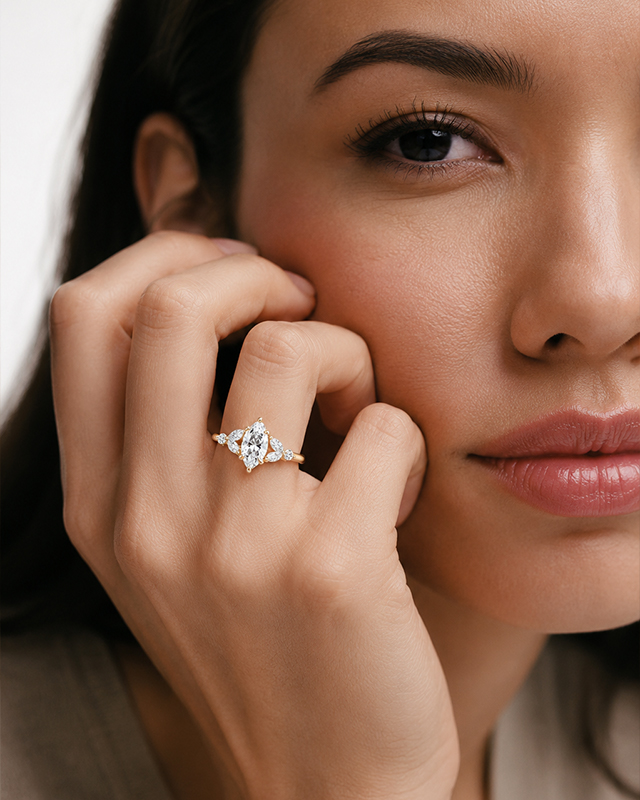
21K can work well for a plain band or a low-profile setting if you accept that it will show scratches sooner and need a prong check more often. If you are shopping for a ring, start with our engagement rings and wedding bands, and use our guide to finding your ring size at home before you order.
How to Tell 21K From 24K Gold
Start with the stamp. Reputable pieces carry a hallmark, usually inside a ring band or on a chain clasp. Look for 21K, 21KT, or 875 for 21K, and 24K or 999 for 24K.
Color alone is not reliable, since the difference is subtle without a side by side comparison. A jeweler can confirm purity with an electronic tester or an acid test. Do not scratch or acid test a valuable piece at home.
Whenever you buy gold, get a written receipt that lists the karat. If you own a piece you cannot identify, a jeweler can check it for you.
3 Myths About Gold Purity
Myth: higher karat always means better jewelry. Karat measures purity, not craftsmanship. A well-made 21K piece will often outperform a poorly made 24K one in daily wear.
Myth: 24K gold never changes. It resists corrosion, but it scratches and dents easily, and a soft piece loses its crisp finish over time.
Myth: every 21K piece has the same metal mix. The alloy varies by maker and region, which shifts the exact tone and hardness even between pieces with the same stamp.
How to Care for 21K and 24K Gold
Clean either one with warm water, mild soap, and a soft cloth. Skip harsh chemicals, which can dull the surface of softer gold.
Store 24K pieces on their own, because harder metals scratch them quickly. Take gold off before swimming, cleaning, or heavy exercise, since chlorine and sweat wear down softer alloys. A yearly check helps catch loose stones and thinning prongs early. For cleaning, resizing, or fixes, see our repair services.
Questions to Ask Your Jeweler Before You Buy
- What is the exact karat stamp, and can I see it on the piece?
- What is the weight in grams, and what is the price per gram?
- How much of the price is gold, and how much is labor or design?
- What are the repair, resizing, and return terms for this karat?
Softer, higher karat pieces tend to need more upkeep, so it pays to know the repair terms before you commit.
Frequently Asked Questions
How many percent gold is 21K?
21K gold is 87.5 percent gold. Divide 21 by 24 and you get 0.875. The remaining 12.5 percent is alloy, usually copper, silver, or zinc.
Is 21K gold pure?
No. Only 24K is considered pure gold, at 99.9 percent. 21K is high-purity gold, but it is still an alloy.
Is 21K or 24K better for everyday wear?
21K. It is firmer and resists bending and scratching better. Keep 24K for pieces you wear occasionally.
Is 21K gold good for an engagement ring?
It can work for a plain band, but most engagement rings use 14K or 18K because stones need harder prongs. 24K is too soft for a ring that holds a stone.
Does 24K gold turn your skin green?
No. Pure gold does not react with skin. A green mark usually points to plating over a base metal or a low karat alloy with a lot of copper.
Why is 21K gold popular in the Middle East and South Asia?
Its rich color, its role in weddings and gifts, and its value as savings. When jewelry doubles as a store of wealth, higher purity means more gold by weight.
Does karat affect resale value?
Yes, because buyers pay for gold content by weight. 24K brings the most per gram, and 21K is valued at 87.5 percent of that rate. Labor and design are usually not paid back.
Can I mix 21K and 24K pieces?
Yes. The color difference is subtle, so they look good together. Many people wear 21K daily and keep 24K for gifts or savings. Store the 24K separately so harder pieces do not scratch it.
Ready to See the Difference in Person?
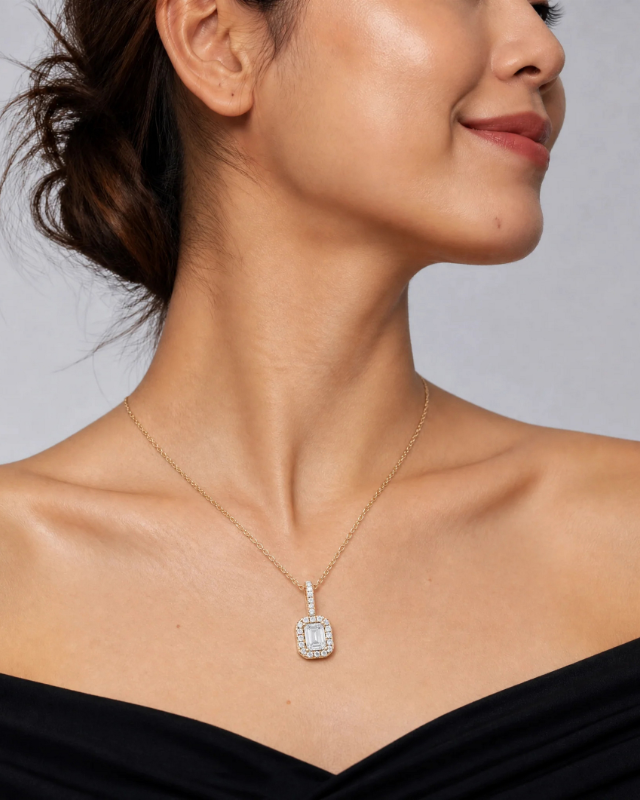
Gold is easier to judge in your hands than on a screen. Browse our rings and necklaces and pendants, or contact us at (650) 315-2525 with questions. If you are still exploring materials, our guides to lab-grown vs natural diamonds, moissanite vs diamond, and anniversary gifts for couples are good next reads.